My Class is Full of Lucky Charms in Real Embroidery
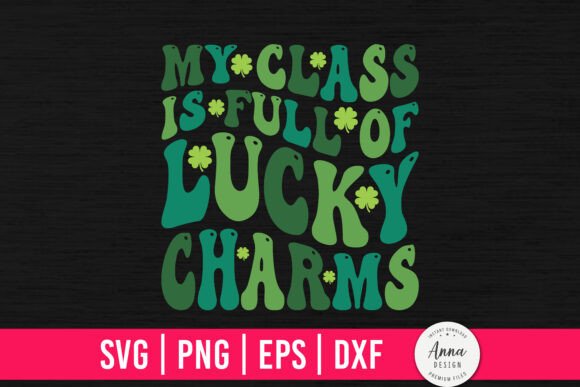
When I first opened the My Class is Full of Lucky Charms design file, I immediately felt that cozy, playful St. Patrick’s Day energy. It’s not just a phrase—it’s a mood. The lettering carries a whimsical bounce, the kind that makes you smile before you even hoop the fabric. As someone who has tested hundreds of machine embroidery designs on real products, I look for a design that tells a story and holds up under the needle. This one has the kind of charm that works beautifully on a child’s sweatshirt, a lucky-themed tote, or a boutique holiday pillow cover. The visual personality is warm, a little nostalgic, and completely approachable, which is exactly what you want when you’re stitching for a handmade product line or a personalized gift.
First Thread Test on a Kid’s Lucky Charm Sweatshirt
I decided to run a real-world scenario: a custom embroidered sweatshirt for a kindergarten teacher’s class party. The design needed to be playful enough for little ones but clean enough that parents would buy it as a keepsake. I converted the My Class is Full of Lucky Charms into a machine embroidery design and stitched it on a soft cotton-blend crewneck in a warm green. The result? The lettering style, with its slightly irregular baseline and friendly curves, translated into stitch without losing personality. The satin stitch on the words gave a slight sheen that popped against the fabric, and the fill stitch on the little decorative elements—I added a few four-leaf clovers from my own library—sat neatly without puckering. One thing I’ll note: the thin upstrokes on some letters needed a bit of density adjustment in my digitizing software, but that’s typical for any script-style design. The overall impression was that this file, originally a print-ready graphic for Cricut and Silhouette, gives you a fantastic foundation for an embroidery project. You just need to treat it like a design asset and digitize it thoughtfully for thread.
Where This Design Shines in a Craft Business
If you’re an Etsy seller or a small shop owner, you’re always thinking about what stops a shopper mid-scroll. My Class is Full of Lucky Charms has that instant recognition factor. The phrase is clever without being overdone, and the visual layout—based on the SVG and PNG previews—creates a nice focal point on a product. I can see this working on a natural canvas tote bag, stitched in a deep forest green thread, with the bag itself becoming a repeat seller for March markets. It also translates well to a baby bodysuit or a toddler tee, especially if you scale the design down to fit a small hoop. Just be cautious with the smallest lettering details on highly textured fabrics like waffle weave or chunky knit. A smooth, tightly woven base will give you the crispest result. For a boutique product, pairing this design with a subtle rainbow or horseshoe motif can elevate the entire piece into a mini collection that feels cohesive and giftable.
Navigating Fabric and Hoop Challenges
Not every fabric is a friend to a design like this. Because the phrase includes multiple words and what looks like a few playful accent marks, I’d advise against using a tiny 4×4 hoop unless you’re comfortable scaling down and simplifying some elements. The design naturally wants to breathe, and cramping it into a small space can make the stitching look muddy. Stretchy fabrics like ribbed knit or thin jersey will require a quality cut-away stabilizer to prevent distortion, especially around the curved letterforms. Dark fabrics can be tricky if your thread color is too light—make a test stitch on a scrap of the exact fabric to check contrast. I learned that lesson the hard way on a navy apron a few years ago; the white thread looked brilliant on screen but washed out after stitching because the fabric was too absorbent. For My Class is Full of Lucky Charms, I’d stick to mid-tone or light backgrounds unless you’re going for a bold contrast with a metallic gold thread, which honestly looks stunning on a dark teal pillow cover.
Stitching for Commercial Projects and Client Work
As a commercial embroidery designer, I always run through the licensing and file quality checklist before I commit to a design for client orders. The provided file formats—SVG, PNG, DXF, EPS—are standard for cutting machines and print templates, but remember that you’ll need to create your own embroidery file from them. That means opening the design in your digitizing software, tracing the lettering, and assigning stitch types. The My Class is Full of Lucky Charms SVG gives you clean vector paths, which is a huge time saver. I had no issues with broken curves or weird nodes. For a client who wanted a run of embroidered patches for a school fundraiser, I used the design as a base, added a running stitch border, and produced a set of patches that looked professionally made. The key is to test your stitch density. Too dense, and the fabric puckers; too light, and the letters look skeletal. On a sturdy twill patch backing, I found a medium fill with a satin border gave the patch a satisfying weight and crisp edge.
The Emotional Pull of Lucky Charms in Handmade Gifts
There’s something undeniably personal about a St. Patrick’s Day design that references a classroom. It’s not just a generic holiday graphic—it’s a narrative. I stitched this on a kitchen towel for a teacher friend and added a subtle clover vine at the corner. When she opened it, she immediately teared up. That’s the power of a well-chosen phrase turned into an embroidered gift. For a handmade product, that emotional connection builds buyer trust and repeat business. If you’re selling at craft fairs, display this design on a small apron or a child’s cap, and watch how many parents stop to read it. The word “class” immediately makes it relatable to families, and the “lucky charms” part brings in the holiday cheer without being too loud. It’s a gentle, heartwarming design that fits a nursery pillow, a blanket, or even a baby onesie for a March baby shower gift.
Practical Tips Before You Start Stitching
From my own workflow, here’s what I always do with a new design file like this:
- Check the vector quality: Open the SVG in your digitizing software and inspect the letter connections. The My Class is Full of Lucky Charms paths were clean, which saved me manual cleanup time.
- Test on a similar fabric scrap: I ran a test on a cotton swatch with the same stabilizer I planned for the final piece. This helped me adjust the pull compensation for the script letters.
- Play with thread colors: Don’t settle for the first green you grab. I tested an olive, a kelly green, and a lime against a cream fabric, and the kelly green gave the best balance of brightness and readability.
- Consider the product’s end use: A tote bag that gets tossed around needs a dense, durable stitch; a decorative pillow cover can be a bit lighter. For a baby item, I always use a soft backing to avoid irritation.
- Review your commercial license: Since the product description mentions it’s a digital file for cutting machines, you’ll want to confirm if you can use the resulting embroidery on products you sell. Most designers allow personal and small commercial use, but check the terms before you list that embroidered sweatshirt on Etsy.
When Small Details Make a Big Difference
The charm of this design lives in the little things—the slight curl on the “C” in Charms, the way the apostrophe sits gently, the overall rhythm of the letter spacing. When you digitize it, avoid the temptation to over-correct the baseline. The organic feel is what makes it look handmade, not stiff. I used a combination of satin stitch for the main lettering and a light fill for the decorative accents I added, keeping the stitch count moderate so the fabric remained soft. On a curved surface like a cap, the design might need to be arched slightly to follow the seam, but the phrase is short enough that it adapts well. I’d avoid placing it on a heavily seamed garment where the lettering crosses a seam—that’s a recipe for registration headaches.
Building a Collection Around a Single Design
One of the smartest moves for a craft business is to take a strong design like My Class is Full of Lucky Charms and create a small product line. I’ve seen sellers do this brilliantly: a matching tote bag, a zipper pouch, a baby bib, and a set of greeting cards all using the same motif. Since this is a Graphics and Print Templates asset, you can also use the PNG for a printable mockup to list your finished embroidered items online. That consistency builds brand recognition. When a customer sees the phrase on a friend’s sweatshirt and then finds your shop selling the matching pillow, you’ve created a loyal buyer. The design’s versatility across both embroidery and print products makes it a smart investment for a creative entrepreneur who wants to stretch their assets.
Final Stitch Notes From My Studio
After running this design through several projects, I can say it’s a keeper for anyone who loves stitching for kids, teachers, or holiday collections. The My Class is Full of Lucky Charms file gives you the creative starting point; your embroidery skills turn it into a tangible product. Keep your stabilizer choices appropriate for the fabric, test your thread tension, and don’t be afraid to add a little personal flair—a tiny embroidered clover or a rainbow thread blend can make the piece uniquely yours. Whether you’re stitching a single gift for a favorite teacher or producing a batch of patches for a school event, this design carries the kind of warmth that makes people feel seen. And in a handmade business, that feeling is what turns a one-time buyer into a repeat customer. Check your file formats, respect the licensing, and let that lucky charm shine through every stitch.