Padel Line Art Logo Review: Tennis Vector for Embroidery
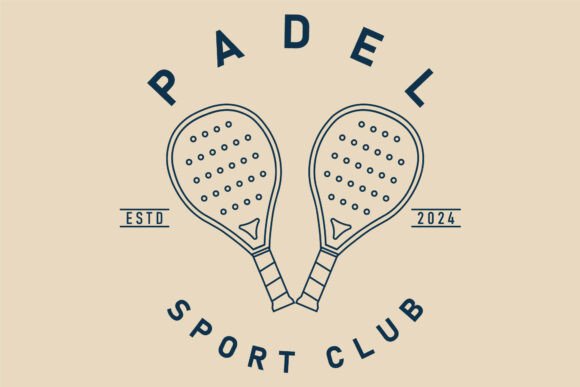
When I first opened Padel Line Art Logo, Tennis Logo Vector, I immediately felt its clean, modern energy. The line art approach gives it a sporty yet minimal personality that reads more boutique athletic club than mass-market sports brand. That matters a lot when you are thinking about finished embroidered products. A design that feels too generic can make a handmade item look cheap, while something with a distinct visual voice can elevate even a simple tote bag into a product people want to buy.
The composition leans on crisp vector strokes that suggest movement without clutter. For embroidery designers, that is a promising starting point. Too much detail crammed into a small space creates stitching headaches. Too little detail, and the design loses its identity. Padel Line Art Logo, Tennis Logo Vector walks that line reasonably well, offering enough shape definition to hold up under thread while staying simple enough to translate across different hoop sizes and fabric types.
The Mood and Where It Belongs in Your Product Line
There is a confident, almost editorial quality to this design. It feels like something you would spot on a limited-run sweatshirt from a curated sportswear brand or on a canvas tote carried around a tennis club. The line art style gives it versatility. You can imagine it stitched in a single bold thread color on a natural cotton tote, or in metallic gold on a dark navy cap for a more premium look. That adaptability is exactly what I look for when evaluating a design for multiple product categories.
If you run an Etsy shop or sell at craft fairs, designs that can stretch across several product types without losing their appeal are worth their weight in thread. Padel Line Art Logo, Tennis Logo Vector fits that mold. It works on casual apparel, but it also has enough polish to sit on a kitchen towel, a pillow cover, or even a nursery item if you are going for a sporty family theme. The key is matching the thread color and fabric choice to the mood you want. A soft pastel thread on a baby blanket gives it a gentle, playful feel. A high-contrast monochrome version on a black sweatshirt makes it feel bold and street-ready.
Imagining a Real Project: The Custom Tote Bag Test
Let me walk you through a practical scenario. I was planning a small batch of embroidered tote bags for a local tennis club pop-up shop. The brief was simple: something sporty, modern, and unisex that would appeal to both casual players and serious padel enthusiasts. I pulled up Padel Line Art Logo, Tennis Logo Vector and started mentally testing it against the fabric, the hoop size, and the customer expectations.
Canvas totes have a textured, slightly uneven surface. Highly detailed designs with thin, delicate lines can get lost in that weave. But this line art logo has enough visual weight in its strokes to hold up. I would likely use a satin stitch for the main body lines and a fill stitch for any slightly thicker sections, keeping the density moderate so the fabric does not pucker. With a medium-weight cutaway stabilizer, the design should sit flat and look intentional rather than strained.
From a customer perspective, the tote would read as a stylish, understated accessory. Someone who plays padel would recognize the theme instantly. Someone who does not would still see an attractive graphic. That dual appeal is valuable. It means the product is not limited to a niche audience, which matters when you are selling at markets or online where browsing customers have varied tastes.
How the Design Holds Up Under Real Stitching Conditions
One thing I always consider before using any design is how it will behave once thread hits fabric. Vector artwork on screen can look flawless, but embroidery introduces physical constraints. Stitch density, pull compensation, and fabric grain all affect the final result. Based on the clean vector structure of Padel Line Art Logo, Tennis Logo Vector, I would expect the digitizing process to be straightforward. The lines are distinct enough to assign clear stitch paths without too much guesswork.
However, there is an important note in the product description: non-editable text. If the design includes any text elements, you cannot modify them directly in the vector file. That means you need to be comfortable with the existing text as-is, or you will need to recreate the text element separately if you want to change a word or font. Before committing this design to a client project, double-check that any text aligns with your intended use. If you are making personalized items, you may need to add a name or date outside the main design area using your embroidery software rather than editing the vector itself.
The file set includes EPS 10, SVG, PDF, and JPG formats. For the best result, the product description recommends opening the EPS file in Adobe Illustrator. That is sound advice if you plan to scale the design or adjust stroke weights before sending it to your digitizing software. The SVG format is also useful for quick previews and can be handy if you work with software that reads SVG directly. The JPG gives you a raster reference, which is helpful for creating mockups or listing photos for your online shop.
Where to Use It and Where to Be Careful
This design shines on projects with a flat, stable surface. Think tote bags, sweatshirt fronts, apron bibs, tea towels, pillow covers, and the back panel of a denim jacket. The line art nature means it can also work on smaller items like a patch or a cap, but you need to be mindful of scale. On a cap, the curved surface can distort thin lines if the design is too wide. I would recommend reducing the design to fit comfortably within the front panel area of a structured cap, testing it on scrap first, and using a firm stabilizer to prevent shifting.
Stretchy fabrics like thin t-shirts or baby onesies require extra care. The design has clean lines that could warp if the fabric stretches during hooping or wear. A no-show mesh stabilizer paired with a temporary adhesive spray helps keep everything in place. For baby items, I would also soften the stitch density slightly to keep the fabric feeling gentle against the skin. A dense design on a thin cotton onesie can feel stiff and uncomfortable, which is the last thing you want for a baby gift.
Dark fabrics present an opportunity for contrast. A white or light-colored thread on a charcoal sweatshirt makes the line art pop dramatically. But if you are stitching on a textured dark fabric like a waffle knit towel, test the design at full size first. The texture can break up thin lines and make the design look patchy. In those cases, slightly thickening the stroke in the vector file before digitizing can save you a lot of frustration.
What This Design Adds to Your Finished Product
Beyond the technical considerations, there is a perceptual value that Padel Line Art Logo, Tennis Logo Vector brings to a handmade item. The design has a contemporary, logo-like quality that makes a product feel intentional and branded. That is a subtle but powerful thing. When a customer picks up an embroidered tote or unfolds a tea towel, they form an impression in seconds. A design that looks confident and well-proportioned signals quality. It tells the buyer that the maker cared about the visual details, not just the stitching.
For small business owners, this translates into better product photography, more engagement on Etsy or social media, and stronger word-of-mouth. A customer who loves their embroidered sweatshirt will wear it, post about it, and come back for more. The design becomes part of your brand identity, even if it is just one product in a larger collection. Choosing a vector-based logo design like this one gives you consistency across multiple items, which is essential if you are building a cohesive product line.
Practical Designer Notes Before You Start
Every experienced embroidery designer knows that skipping the prep work leads to wasted materials and time. Here is what I would do before committing Padel Line Art Logo, Tennis Logo Vector to a final project:
- Test the design on a scrap piece of the actual fabric you plan to use, not a substitute. Fabric behavior varies more than you think.
- Check thread color contrast against the fabric in natural light. A color that looks great on screen can look muddy in real life.
- Review stitch density after digitizing. Line art can become too dense if the digitizer tries to fill thin strokes with satin stitches that are too wide.
- Confirm your hoop size accommodates the design at the scale you want. Do not assume it will fit just because the vector looks small on screen.
- Inspect small details in a black and white mockup. Removing color helps you see if the shape reads clearly without visual distractions.
- Compare the design on light and dark fabric backgrounds. The same stitch file can look dramatically different depending on the base color.
- Use the proper stabilizer for your fabric type. Cutaway for knits, tear-away for woven fabrics, and water-soluble topping for towels or textured surfaces.
- Check the licensing terms before selling finished products or digital files. The product description does not specify commercial use terms, so confirm that separately if you plan to sell items featuring this design.
Who Should Consider This Design for Their Next Project
Padel Line Art Logo, Tennis Logo Vector is a solid choice for embroidery designers who want a sporty, modern graphic that does not require heavy editing. It suits makers who create custom apparel, personalized gifts, boutique merchandise, and small-batch handmade products. The vector format gives you flexibility to scale and adjust stroke weights, which is a real advantage if you need to adapt the design for different product sizes.
If you are an Etsy seller looking to expand into sport-themed embroidery or a craft business owner preparing for a tennis club event, this design fits naturally into that niche. It also works for printable mockups and digital product previews, since the JPG and SVG files give you quick visual references for listings. Just remember that the non-editable text means you are working with the design as provided. For most projects, that is not a problem. For highly customized work, you may need to plan around it.
Ultimately, the value of any design lies in how it performs on a finished product that someone will use, wear, or gift. Padel Line Art Logo, Tennis Logo Vector has the visual clarity, the thematic appeal, and the structural simplicity to hold up well in embroidery. It does not overpromise with unnecessary complexity, and it does not feel generic. It lands in that sweet spot where sporty meets stylish, and that is exactly where many handmade products find their best audience.